
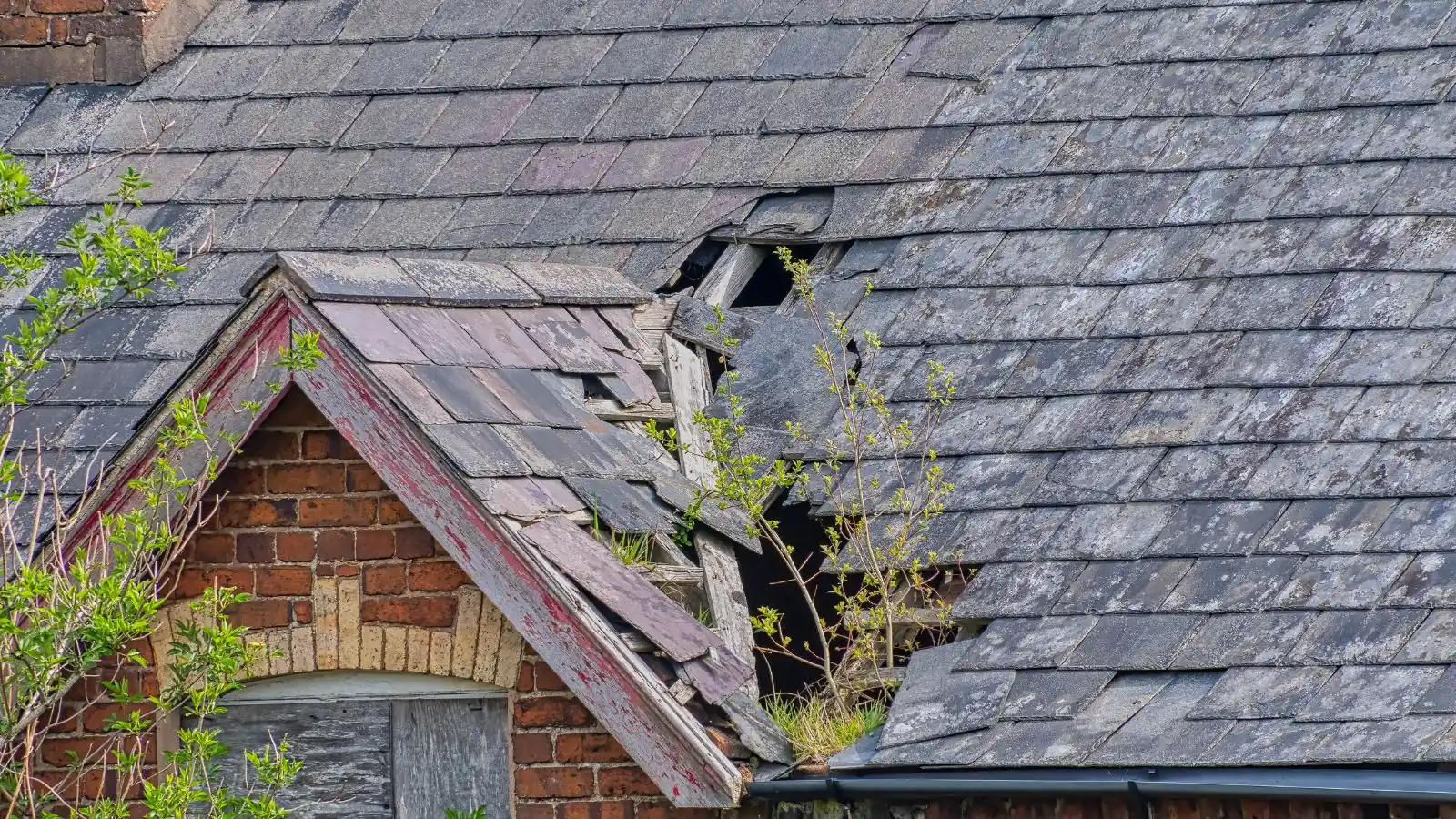
Storm water damage is rain driven into a building through its envelope: a damaged roof, torn siding, a broken window or a door that could not hold back wind. For storm water damage cleanup in Parkville, MD, call (833) 521-1033. The line is open 24/7, storm or no storm. If a tree or wire is down on the house, stay out and call 911 and the electric utility first.
Once it is safe, catch drips in buckets, move furniture and electronics out of the wet room and photograph the opening from inside.
When rain is coming in: what to do first
Stop what you can from inside. A tarp on the roof is a job for a roofer once the wind has dropped, not for a homeowner on a ladder in the dark. Indoors, towels along a window sill and plastic sheeting over furniture buy time.
Water from a storm keeps arriving as long as it rains, so drying cannot finish until the opening is covered. Extraction and equipment can still start, and they limit how far the water spreads.
Storm damage is not flood damage
The difference decides both the cleanup and the insurance. Storm water enters from above or from the side through damage to the building. Flood water rises from the ground. Rising water is handled on our flood damage cleanup page.
| Question | Storm water damage | Flood damage |
|---|---|---|
| Where it enters | Roof, walls, windows, doors | Ground level, lower-level walls and floor |
| Contamination | Usually clean to gray | Category 3, contaminated |
| Typical policy | Homeowners policy, if a covered peril opened the building | Separate flood policy |
| First trade needed | Roofer or board-up | Pumping and cleaning |
A plain roof leak with no storm event behind it is covered on the ceiling water damage repair page.
What storms do in Parkville
Parkville's weather risks are those of central Maryland: summer thunderstorms with intense rain and gusts, the remnants of tropical systems in late summer and fall, and winter storms. The National Weather Service office for Baltimore lists a normal seasonal snowfall of 19.3 inches, so snow load and ice at roof edges are part of the picture as well.
Older roofs and mature trees raise the stakes. More than 80 percent of Parkville homes were built before 1970, by Census estimates, and many streets are lined with trees as old as the houses. We do not track storm damage by block, and no neighborhood should be assumed to be at higher risk without evidence.
Street drainage is the County's concern. Baltimore County asks residents to report flooding and drainage problems through 311 or the BaltCoGo app, and its Parkville drainage study, opened in 2025, uses those reports.
Storm let water in? Call the 24/7 line once it is safe.
☎ Call (833) 521-1033How storm water travels inside
Rain that gets under shingles runs along the roof deck and drops where it meets a rafter or a nail, often far from the hole. It soaks attic insulation, then the ceiling, then the top of the walls. Wind-driven rain at a window runs down inside the wall and shows up as a wet baseboard.
That is why the wet area is mapped with a thermal imaging camera before anything is opened. Wet insulation is removed. Ceilings and walls that are still firm are dried in place, and sections that have sagged are cut out. Wall cavities are covered in detail under wall and drywall water damage repair.
Rain straight through a new opening is treated as clean water under the ANSI/IICRC S500 standard. Once it has run through insulation, dust and old roofing, it is treated more cautiously.
Water that pools on floors is removed as described on the water extraction page.
Cost factors
- Size of the opening and how long rain entered.
- Attic insulation to remove and replace.
- Ceiling and wall area affected.
- Flooring and contents below.
- Return visits if the roof cover is delayed.
You get the scope and the price ahead of any drying or removal. Call (833) 521-1033 once the storm has passed.
Insurance after a storm
Wind and hail damage to the building, and the rain that enters through it, are often covered by a homeowners policy. Rising water generally is not. The Maryland Insurance Administration publishes storm damage questions and answers for consumers. Document the damage, make temporary repairs to prevent further loss and keep receipts for tarps and board-up, and ask your insurer about your deductible.
Baltimore County does not require a permit for roof or siding repair on most homes, which lets a roofer start quickly. Historic properties are the exception.
Storm calls come from Parkville and from Perry Hall, Fork, Hydes, Long Green and Upper Falls.
Storm Water Damage questions from Parkville callers
Do you handle storm water damage emergencies at night or on weekends in Parkville?
Yes. The phone stays open 24/7. During a major storm, call as soon as it is safe so your job is logged.
Do you tarp or repair the roof?
No. A roofer covers and repairs the roof. We dry the attic, ceilings and walls and repair interior damage.
A tree hit the house. Who do I call first?
Call 911 if anyone is hurt or wires are down, then the electric utility, then your insurer. Call us for the water once the structure is safe to enter.
Rain came in through a window I left open. Is that storm damage?
It is water damage, and the cleanup is the same. Whether it is covered depends on your policy, so ask your insurer.